How to prepare your gutters for hurricane season in Fayetteville
A practical, Fayetteville-specific guide to getting your gutters storm ready before hurricane season - what to clean, what to check, and when to call a pro.
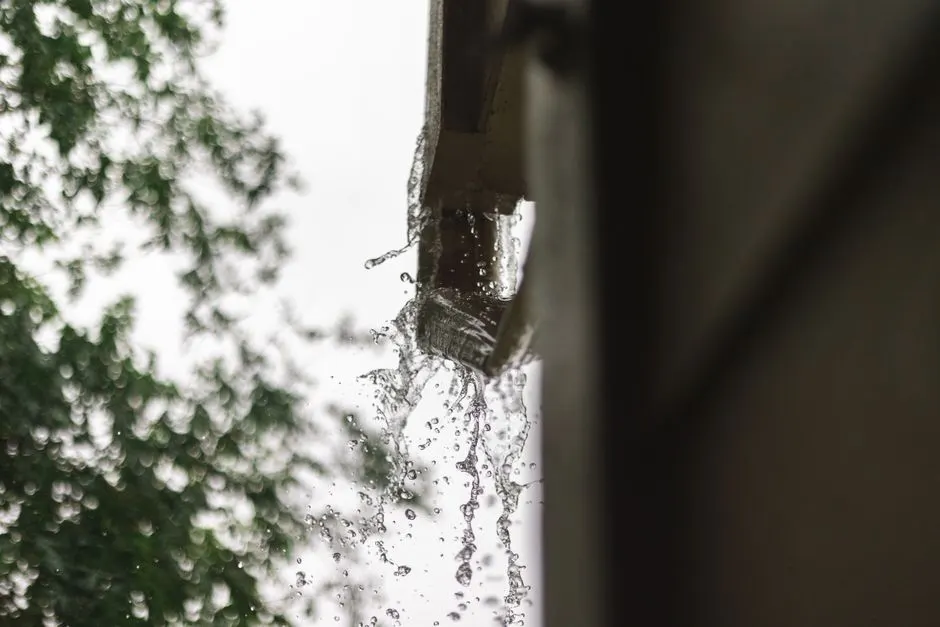
To prepare gutters for hurricane season in Fayetteville, clear every run of debris by late May, confirm the downspouts discharge at least 4 feet from the foundation, and re-secure any hanger that has pulled loose. That is the whole job in one sentence. The rest of this guide covers the timing, the specific failure points we see on Cumberland County homes, and how to tell when a ladder is not worth the risk.
Fayetteville sits roughly 90 miles inland from the coast, which is close enough that tropical systems still arrive with 60-80 mph gusts and 4-8 inches of rain in a single day. Your gutters are the first line of defense against that water reaching your siding, fascia, and foundation. We handle gutter cleaning Fayetteville NC calls all spring and summer, and the homes that come through a storm clean are almost always the ones that were cleared in May.
Why Fayetteville gutters fail during hurricane season
Fayetteville gutters fail during hurricane season because the debris load from longleaf pines, oaks, and sweetgums peaks right as the heaviest rain arrives. A half-inch of packed pine straw in a 5-inch K-style run can hold 20-30 pounds of standing water per section. Add a 70 mph gust and the hanger spacing that was fine in February becomes the weak point.
Three things happen in sequence. First, water backs up behind the clog and finds the seam or the fascia board. Second, the weight pulls hangers out of the decking, tilting the run so it drains toward the house instead of the downspout. Third, the overflow saturates the soil within 3 feet of the foundation, which is exactly where Fayetteville's clay-heavy soil swells and pushes against basement and crawlspace walls.
We also see a lot of undersized downspouts on older homes inside the city limits. A 2x3 downspout moves roughly 600 gallons per hour under ideal conditions. A 3x4 moves closer to 1,200. On a 2,000-square-foot roof, one 2x3 downspout is not enough for a tropical downpour, no matter how clean the gutter is.
When should you clean your gutters before hurricane season in Fayetteville NC?
Clean your gutters in Fayetteville by the third week of May, then again in late August if the spring pollen and seed pods were heavy. The Atlantic hurricane season runs June 1 through November 30, and the statistical peak for North Carolina landfalls is mid-August through mid-October.
That gives you two windows. The May cleaning handles the pollen, tassels, and spring leaf drop. The August touch-up catches the sweetgum balls and pine straw that accumulate through the hottest part of summer, when most homeowners stop thinking about their roof line.
If you only do one, do the May cleaning. A gutter that is clear on June 1 will still drain through most of the season. A gutter that is half full on June 1 will be completely blocked by the first named storm that drops 5 inches in four hours.
Step-by-step: how to prepare your gutters for hurricane season in Fayetteville NC
Hurricane season gutter prep Fayetteville NC homeowners can do themselves comes down to six checks. Work through them in order, and do it on a dry day - wet aluminum is slick and the risk is not worth it.
- Clear the roof first. Blow or rake leaves and pine straw off the roof plane before you touch the gutters. Otherwise you are just re-filling what you cleaned.
- Scoop the runs by hand. Wear gloves. A 5-inch gutter on a 40-foot run can hold 15-25 pounds of wet debris.
- Flush with a hose from the high end. Watch the water exit the downspout. If it backs up, the clog is in the downspout, not the gutter.
- Check the slope. Gutters should fall about 1/4 inch per 10 feet toward the downspout. Standing water after a flush means the run has lost its pitch.
- Test the downspout discharge. Water should exit at least 4 feet from the foundation. Splash blocks or buried extensions both work.
- Push-test the hangers. Give each one a firm push. Any that move more than a quarter inch need a new screw into solid decking.
Budget 90 minutes to 2 hours for a single-story home under 2,000 square feet. Two-story homes and steep pitches take longer, and that is where most DIY attempts go wrong.
What a gutter inspection before storm season should actually cover
A gutter inspection before storm season in Fayetteville should cover five things: hanger integrity, seam condition, fascia rot, downspout capacity, and how the water actually leaves the property. Cleaning without inspecting is half a job.
Seams are the first thing we check. Aluminum expands and contracts hard in a Fayetteville summer - surface temps on a dark gutter hit 140°F in July. That movement opens old sealant joints, and a pinhole leak at a seam will rot the fascia board behind it within two seasons.
Fascia rot is the expensive one. A soft fascia board means water has been sitting against the wood, and replacing fascia plus refastening gutters runs $600-$1,400 on a typical single-story home in 2026 pricing. Catching it during a May inspection is a $150 repair.
Downspout capacity matters just as much. If you have one 2x3 downspout on a 1,800-square-foot roof, adding a second one on the opposite corner is the single best storm-prep upgrade you can make. We do this on a lot of homes in gutter cleaning in Hope Mills, where the 1990s subdivisions were built with the minimum code-compliant drainage.
Do you need gutter guards for hurricane season in Fayetteville?
Gutter guards help in Fayetteville, but they do not replace cleaning. The right guard keeps pine needles and large leaves out of the run, which cuts your cleaning frequency from twice a year to once. It does not stop grit, shingle granules, or the small seed pods that slip through every mesh on the market.
What guards do well here is reduce the weight load. A guarded gutter that only collects granules stays light through a storm, which means fewer pulled hangers. On homes surrounded by longleaf pines - most of the older neighborhoods near Fort Bragg Boulevard and the Haymount area - that difference is real.
What guards do poorly is handle a full roof shed. When a tropical system strips a pine of its needles in an hour, that material lands on top of the guard, not in the gutter. You still need to clear it after the storm passes. If you want the details on which styles hold up in this climate, our gutter guards installation Fayetteville NC page breaks down the mesh and micro-mesh options we install.
Common mistakes we see on Fayetteville gutters every June
The most common mistake is cleaning the gutters but ignoring the downspouts. A clear run with a blocked downspout is a bathtub. Water fills the gutter, finds the lowest seam, and dumps directly onto the foundation.
Second is waiting until a storm is named. The week before a landfall threat, every gutter company in Cumberland County is booked out. We get the calls, and we cannot always get to everyone in time. May is calm. August is not.
Third is over-tightening hangers. A hanger screwed down hard against the gutter crushes the profile and creates a low spot that holds water year-round. Hangers should support, not squeeze.
Fourth is skipping the ground check. Water that exits the downspout and pools within 2 feet of the foundation is doing the same damage as water that never left the roof. Extend the discharge, grade the soil away from the house, and you solve half your moisture problems before the first storm.
What gutter damage should you check after a hurricane in Fayetteville North Carolina?
After a hurricane in Fayetteville North Carolina, check four things before you do anything else: hangers pulled from the fascia, dents or crushed sections from falling limbs, separated seams, and downspouts that have detached at the elbow. Walk the perimeter from the ground first - never get on a ladder until you have confirmed the roof and gutters are stable.
Look for gutters hanging below the roof line. That is a pulled hanger, and it usually means the screw hole is stripped. Look for granules in the gutter - those come from shingles, and a lot of them means the storm took years off your roof.
Look at the ground below each downspout. If you see a fresh trench or a washed-out bed of mulch, the downspout either clogged or detached during the storm. Both are quick fixes, but both cause foundation problems if you leave them.
If a section has pulled free or a downspout is hanging, that is not a wait-until-next-week problem. Our emergency gutter repair Fayetteville NC team handles post-storm calls, and getting a loose run re-secured before the next rain saves the fascia board behind it.
When to call a professional
Call a professional when your roof pitch is steeper than 6/12, when your gutters are more than 20 feet off the ground, or when you find soft fascia during your own inspection. Those three situations are where DIY gutter work turns into an injury or a bigger repair.
We also recommend a professional cleaning if it has been more than 18 months since your last one. At that point the debris is compacted, the hangers are suspect, and a hand scoop will not tell you what a full flush will. Fayetteville Gutter Pros handles residential and commercial properties across Cumberland County, and we tell you what we find before we start work.
If you are in one of the smaller communities outside the city, we cover those too. Homeowners in gutter cleaning in Stedman and the surrounding rural areas often have more tree cover than city lots, which means more frequent cleanings and a closer look at hanger spacing.
Frequently Asked Questions
How do I prepare my gutters for hurricane season in Fayetteville?
Clear all debris by late May, flush every run and downspout with a hose, confirm downspouts discharge at least 4 feet from the foundation, and push-test each hanger. Budget 90 minutes to 2 hours for a single-story home. If you find soft fascia or loose hangers, get those fixed before June 1.
When should I clean gutters before hurricane season in Fayetteville NC?
The third week of May is the target. That clears spring pollen and leaf drop before the June 1 season start. If your property has heavy pine or sweetgum cover, add a second cleaning in late August, ahead of the mid-August through mid-October peak for North Carolina landfalls.
What gutter damage should I check after a hurricane in Fayetteville North Carolina?
Check for hangers pulled from the fascia, dents from fallen limbs, separated seams, and detached downspout elbows. Walk the perimeter from the ground first. Gutters hanging below the roof line, fresh mulch trenches under downspouts, or heavy shingle granules in the run all signal damage worth a professional look.
Do I need gutter guards for hurricane season in Fayetteville?
Guards reduce cleaning frequency from twice a year to once and cut the weight load during storms, but they do not replace cleaning. Pine needles and roof shed still land on top of the guard. On pine-heavy lots, guards plus a post-storm clearing is the combination that holds up.
How much does gutter cleaning cost in Fayetteville in 2026?
Typical 2026 pricing for a single-story home under 2,000 square feet runs $150-$275. Two-story homes and heavy debris loads run $250-$450. Gutter brightening, which removes the black tiger stripes on the exterior face, adds $75-$150 depending on linear footage.
Get help with gutter cleaning in Fayetteville
If you would rather not spend a Saturday on a ladder, we will clear, flush, and inspect every run on your home before the next system rolls in. Call Fayetteville Gutter Pros at (910) 668-9527 and we will get you on the schedule.